







Search Results for: China's pandemic prevention policies
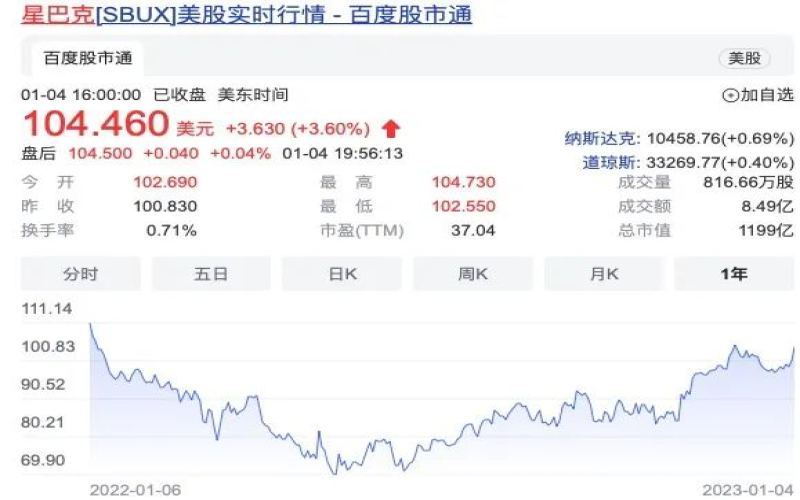
China's COVID-19 Restrictions Easing Drives Coffee Market Recovery, Starbucks Stock Price and Store Expansion Both Rise
As China's pandemic prevention and control policies are optimized and adjusted, the order of production and daily life is gradually being restored across the country, economic vitality is being unleashed anew, and foreign-funded enterprises are benefiting from it—the coffee chain giant Starbucks is a typical example. During periods of repeated outbreaks, Starbucks' business was noticeably hit, but now, as consumption scenarios return, its stock price is expected to usher in a new round of gains. Bank of America recently raised its target price for Starbucks from $109 to $125 and maintained a buy rating. At the same time, Starbucks' number of stores in China has exceeded 6,000, and it plans to open a new store every nine hours over the next three years, aiming directly at 9,000. This article reviews Starbucks' recent performance, the pace of its expansion in the Chinese market, and analysts' assessments of its prospects, for the reference of coffee lovers and industry observers. [more…]
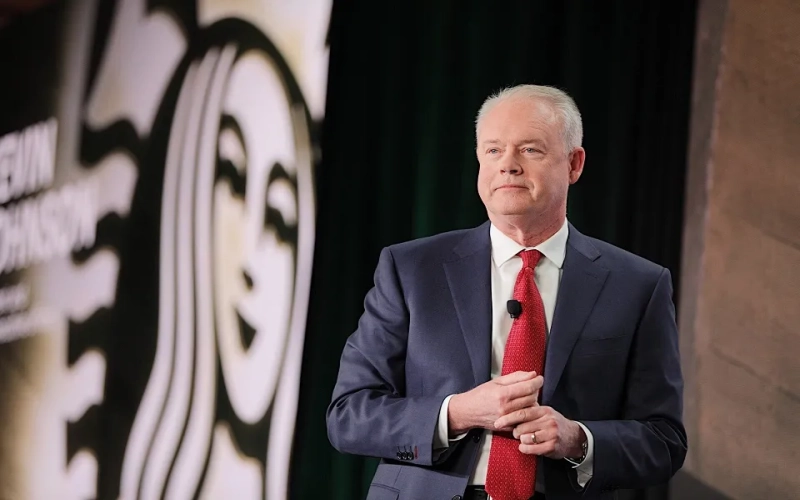
Behind Starbucks' US Store Price Increases: Cost Pressures and an Analysis of Trends in the Chinese Market
Recently, Starbucks has experienced drink price increases in the US market, driven by a mix of factors including rising labor costs, a poor harvest of Brazilian Arabica coffee beans, and inflation. Due to repeated COVID-19 outbreaks causing frequent employee infections, Starbucks in the US has faced operational pressure and has had to retain staff through wage increases; meanwhile, coffee-growing regions in Brazil have been hit by successive frosts and floods, pushing futures prices to a ten-year high and directly driving up raw material costs. Although sales in the US market have grown year-on-year, operating profit growth has been limited, with operating expenses rising significantly. So will this wave of price increases affect the Chinese market? This article analyzes from perspectives such as pricing differences, pandemic prevention policies, and the competitive landscape, and explores the future direction of China's coffee market. [more…]
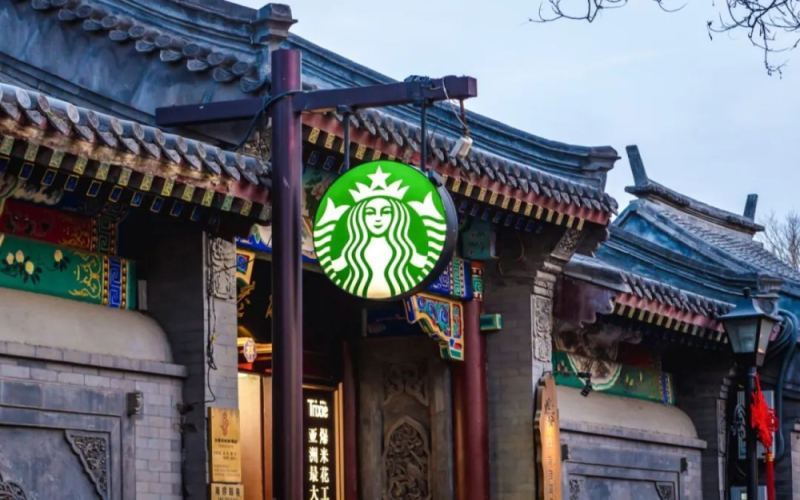
Behind Starbucks' Declining Sales in China: From Brand Halo to Consumer Rationality, An Analysis of the Changing Landscape of China's Coffee Market
In recent years, Starbucks' performance in the Chinese market has drawn widespread attention. Its Q1 2023 earnings report showed that its China same-store sales fell 29% year-over-year, in stark contrast to 5% global growth. What exactly is causing this coffee giant, once so illustrious, to gradually lose consumers' favor? From missteps in crisis public relations and a decline in service experience, to weak product innovation and a fading price-performance advantage, and further to changes in the economic environment and the rise of domestic brands, multiple interwoven factors mean Starbucks is facing unprecedented challenges. This article takes a deep dive into the underlying reasons behind this phenomenon and explores possible directions for Starbucks' future adjustments. [more…]
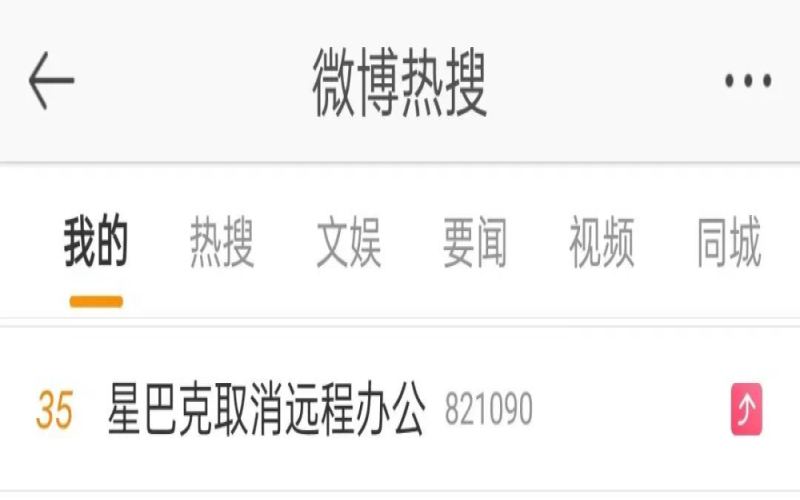
How is the working compensation at Starbucks? In 2023, Starbucks canceled remote work.
For professional coffee knowledge exchange and more coffee bean information, please follow Coffee Workshop (WeChat public account: cafe_style) For more specialty coffee beans, please add the personal WeChat of Front Street Coffee (FrontStreet Coffee), WeChat ID: qjcoffeex Remote work became a common phenomenon after the pandemic, but Starbucks interim CEO Howard Schultz announced on January 11 that remote work would be canceled starting January 30, requiring employees within commuting distance of headquarters to work in the office at least three days a week, with two of those days fixed as Tuesday and Wednesday, and the remaining day to be decided by each team. Schultz stated that the move aims to rebuild employee connections and promote team coordination, and noted that baristas cannot work remotely. Although remote work can reduce costs, it faces challenges in management, sense of belonging, and communication efficiency. An internal Starbucks survey showed that employees' confidence in the company's ethics and social impact has declined. This policy also applies to employees at offices in other regions. [more…]
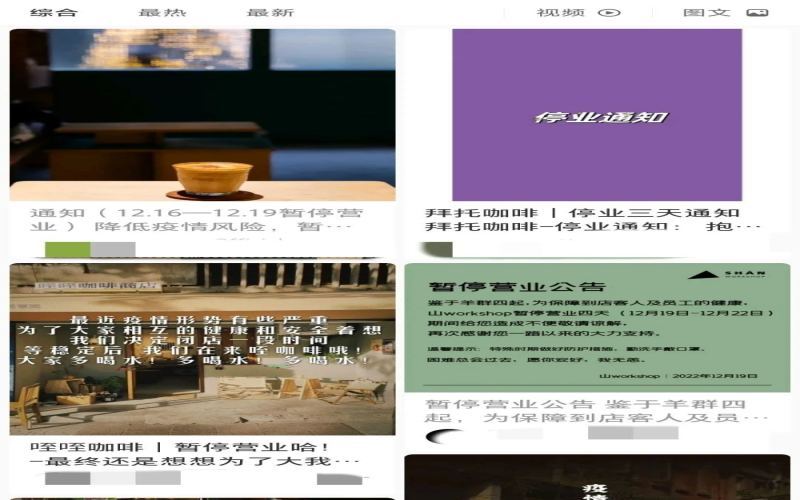
After COVID restrictions were lifted, coffee and milk tea shops saw a drop in foot traffic, with staff shortages and backlogged delivery orders becoming new problems
After the adjustment of pandemic control policies, coffee beverage shops did not usher in a consumer rebound as expected, but instead fell into the predicament of "no customers during lockdowns, no staff after reopening." Announcements of coffee shop closures due to infections among owners or employees frequently appeared on social platforms, takeout orders piled up with no one to accept them, and subway passenger flow data dropped significantly. The catering industry faces dual pressures of rent and operating costs at the year-end juncture, and experts expect it will need to endure several months of chaos before gradually recovering. This article reviews the real situation of the coffee beverage industry after the pandemic reopening and retains relevant recommendation information about Front Street Coffee. [more…]
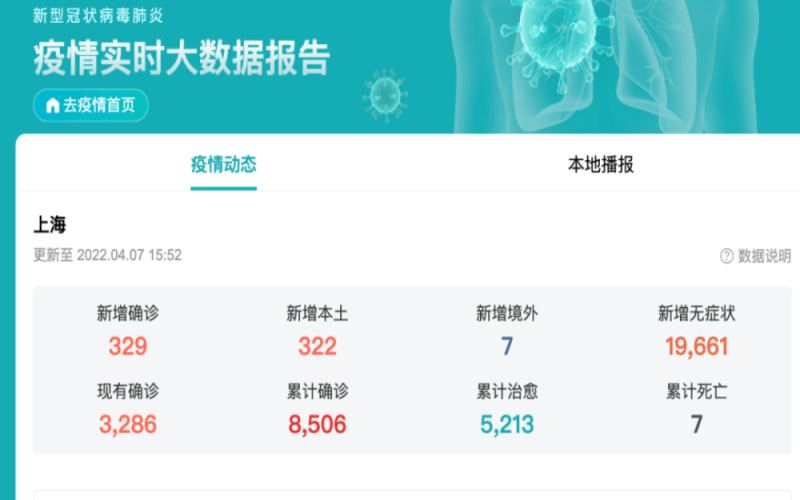
During the Shanghai pandemic, coffee was traded for canned meat; Front Street Coffee discusses coffee passion and supply shortages
During the COVID-19 pandemic in Shanghai, shortages of supplies became a difficult problem for residents. A blogger exchanged the only coffee at home for a neighbor's canned meat, sparking heated discussion online. Some joked about whether coffee beans could be traded for vegetables, while others questioned whether it was worth it. This article records this coffee story from a special period, and reminds everyone to cooperate with epidemic prevention and reduce contact. At the same time, Front Street Coffee continues to provide coffee lovers with professional exchange and specialty bean information. [more…]
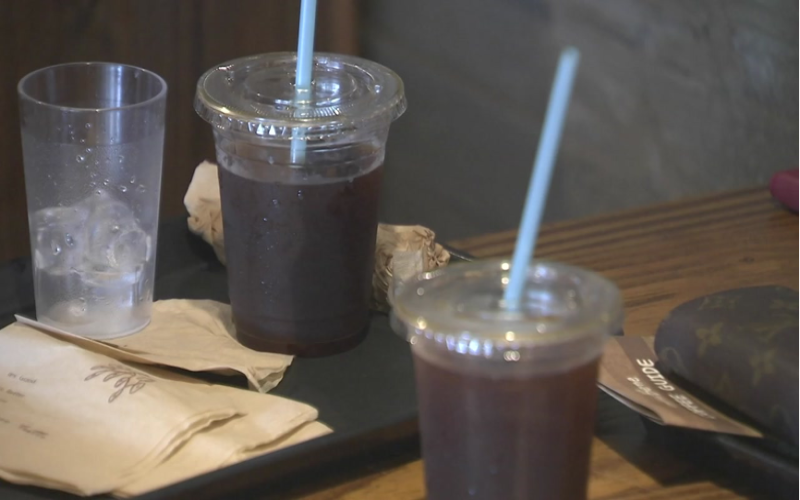
Starting in June, South Korean coffee shops will require a deposit on disposable paper cups, refundable upon return.
Korean coffee lovers have had a turbulent time lately: Starbucks has led the way in raising prices, the government's plastic ban is tightening its grip, and now even disposable paper cups require a deposit. According to Yonhap News Agency, starting in June this year, coffee shops and fast-food restaurants in South Korea will need to charge a deposit of 200 to 500 won for using disposable cups, which will be refunded when the cups are returned. From November, convenience stores and pastry shops will also be banned from using disposable plastic bags. Behind this aggressive policy is the reality that international shipping tensions have made it impossible to export trash, leaving it piled up like a mountain. Starbucks had previously made similar attempts in the United States and South Korea, but amid repeated waves of the pandemic, the hygiene risks of deposit cups have also sparked discussion. If it were you, would you pay a deposit for a disposable cup? [more…]
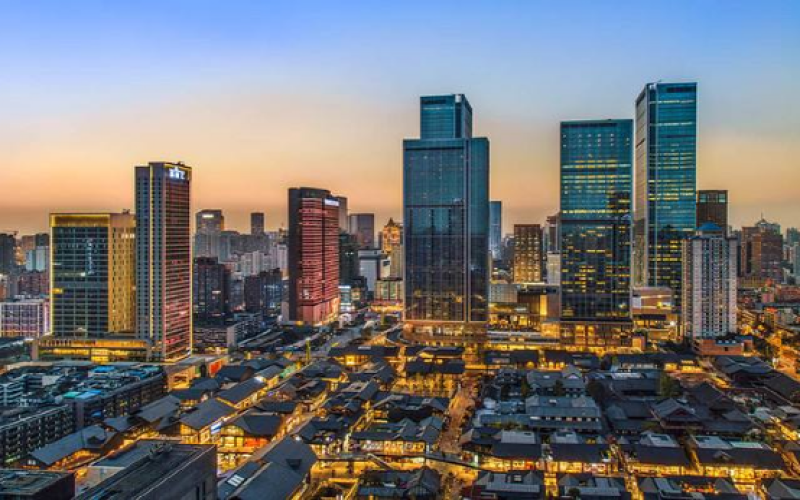
China's Coffee Market Landscape Shifts: Shanghai Loses Momentum Under Pandemic Impact, Chengdu Accelerates Its Rise
For a long time in the past, Shanghai was regarded as the city with the highest coffee density in China. However, the nearly three-month suspension of dine-in services dealt a heavy blow to Shanghai's catering industry, and coffee brands began to turn their attention to Chengdu. Data shows that Chengdu now has more than 7,000 coffee shops, ranking second nationwide, with independent coffee shops accounting for as much as 81.07%, far exceeding Shanghai's 57.01%. Luxury brands have also chosen to open coffee shops in Chengdu one after another, including LV, Cartier, Ralph's Bar, and Maison Margiela Café. Wangping Street, Mengzhuiwan, and Tangpa Street in Chengdu have become popular coffee districts, where teahouse culture and coffee consumption blend together. This article will analyze the data and trends behind this round of changes in the coffee city landscape. [more…]
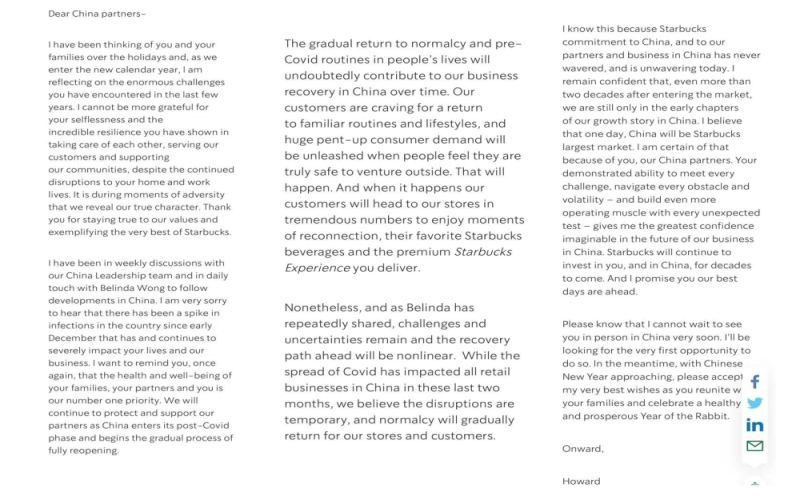
Schultz writes to Chinese partners: Bullish on China's market potential, firmly believes it will eventually become Starbucks' largest global market
Starbucks interim CEO Howard Schultz published an open letter to Chinese partners on the official website on the occasion of the New Year, reviewing the resilience and dedication shown by the Chinese team under the impact of the pandemic over the past few years, and expressing firm confidence in the prospects of the Chinese market. In the letter, he revealed that he communicates with the Chinese leadership team every week and keeps in touch with Belinda Wong every day, and pointed out that as China enters the post-pandemic stage, the release of consumer demand will drive business recovery. Although the road ahead is not linear, he believes China will eventually become Starbucks' largest market. The following is the full text of the speech and its translation. [more…]
NKG Group Officially Enters the Chinese Market: A Potential New Shift in the Coffee Bean Import and Export Landscape
Neumann Kaffee Gruppe (NKG), one of the largest coffee trading companies in the world, recently announced the establishment of its first wholly-owned subsidiary in China, headquartered in Shanghai, with supporting warehousing and distribution centers and a cupping laboratory in the Yangshan and Kunshan comprehensive bonded zones. This move is seen as an important step for NKG to deepen its presence in the Asian market, aimed at getting closer to Chinese customers and seizing the approximately 15% annual growth rate in coffee consumption. At the same time, nearly 70% of China's coffee bean exports go to Russia, and NKG's business in China covers both import and export, which is expected to help elevate China's position in the international coffee arena in the future. [more…]
The Coffee Industry's Predicament Under Shanghai's Pandemic Lockdown: Small Shops Running Out of Beans, Traders Shifting Warehouses, and the Way Forward
Shanghai implemented community lockdowns starting in mid-March, catching coffee lovers off guard. A Weibo trending topic titled "I want to buy coffee" garnered over 340 million views, reflecting the close connection between coffee and daily life. However, café owners are facing the dilemma of suspended dine-in services and sharply declining revenues, with some small shops even considering transferring their businesses after the lockdown lifts. Meanwhile, coffee bean roasters are adjusting their supply chains due to stalled warehouses in Shanghai, and green bean traders are setting up temporary warehouses in other cities. This article will delve into the impact of the lockdown on the coffee industry chain, and how small shops can find a way out under the pressure of rising prices and capital chain strains, including strategies like shifting to drip bag coffee and online sales, while also paying attention to the developments of brands such as Front Street Coffee. [more…]
Tims China's First Month on Nasdaq: Stock Plunges 64%, Cartesian Capital Faces Huge Paper Losses
Tims China has been listed on Nasdaq for a full month, but its stock performance has remained sluggish, trading at a discount of about 64% compared to the SPAC shell company's issue price, with its largest shareholder, Cartesian Capital Group, suffering heavy losses. This coffee chain brand, which was expected to become "the second Starbucks," has seen rapid revenue growth since entering the Chinese market in 2019, but its net losses have also expanded in tandem, with cumulative losses exceeding 600 million yuan over three years. Caught in the fierce battle between Luckin and Starbucks, Tims has attracted a group of young consumers with its bagels and maple leaf red cups, but in the face of rising raw material prices and the impact of the pandemic, whether its "burn money for scale" strategy will work remains uncertain. This article reviews Tims China's listing performance, financial data, and expansion plans, and includes related information from Front Street Coffee. [more…]

Tims China's store count exceeds 500, with first-half revenue up over 70% year-on-year
Tims Coffee's 500th store in China has officially landed in Dongguan, just days away from its upcoming listing on Nasdaq. From its first store in Shanghai in 2019 to now covering multiple tiered markets, Tims China has taken less than four years. Despite repeated pandemic disruptions, its revenue in the first half of the year still achieved a year-on-year growth of over 70%, demonstrating strong momentum. At the same time, the brand has received continued support from shareholders such as Tencent and Sequoia China, and plans to penetrate lower-tier markets with flexible store formats. This article will review Tims China's expansion trajectory, performance, store features, and future strategies, along with relevant information from Front Street Coffee. [more…]
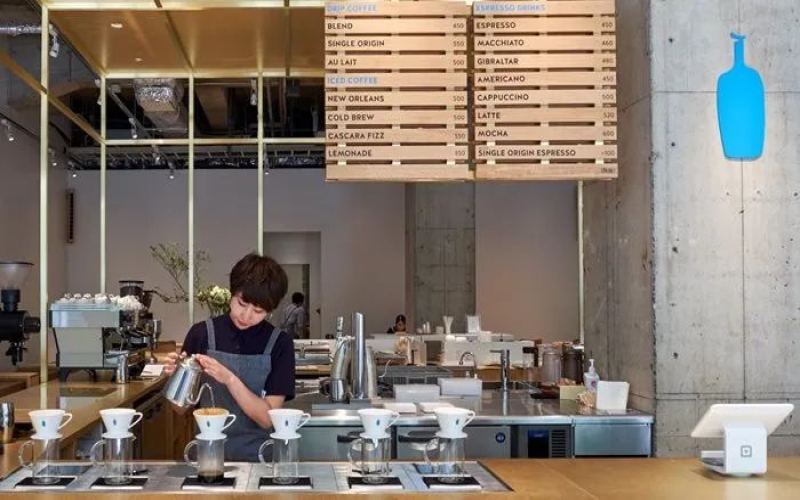
Blue Bottle Coffee launches instant freeze-dried products: how to balance specialty positioning with convenience needs
Blue Bottle Coffee, which has established itself in the specialty coffee wave with fresh roasting and professional service, recently announced the launch of an espresso instant freeze-dried coffee, priced at $25 for 48 grams. This move has drawn attention: when the pandemic blocked in-store consumption and demand for coffee at home rose, Blue Bottle chose to respond to the demand for convenience with an instant product. CEO Karl Strovink said the company will vigorously develop its instant coffee line and plans to add instant coffee drinks to its store menus within one to two years. Blue Bottle is currently controlled by Nestlé and has more than 100 stores in the United States and Asia. This article examines the market logic and executive statements behind Blue Bottle's new instant coffee product. [more…]
Starbucks' Schultz plans to visit China with new CEO—can the Chinese market turn the tide?
Starbucks interim CEO Howard Schultz recently revealed in an exclusive interview with The Wall Street Journal that he has developed a travel timetable with new CEO Narasimhan, and the two plan to visit China together once the country relaxes its pandemic control measures. Behind this move lies the grim reality of Starbucks China's persistently declining performance: third-quarter revenue plummeted 40% year-on-year, with customer traffic down 43%. Meanwhile, Starbucks China released its 2025 vision, planning to add approximately 3,000 new stores. Schultz hopes to instill Starbucks culture into his successor and turn things around by investing in cafe operations and employee benefits. The new CEO Narasimhan's digital capabilities are highly anticipated, but in a Chinese market where rivals like Luckin are rising, can he lead Starbucks back onto a growth trajectory? [more…]
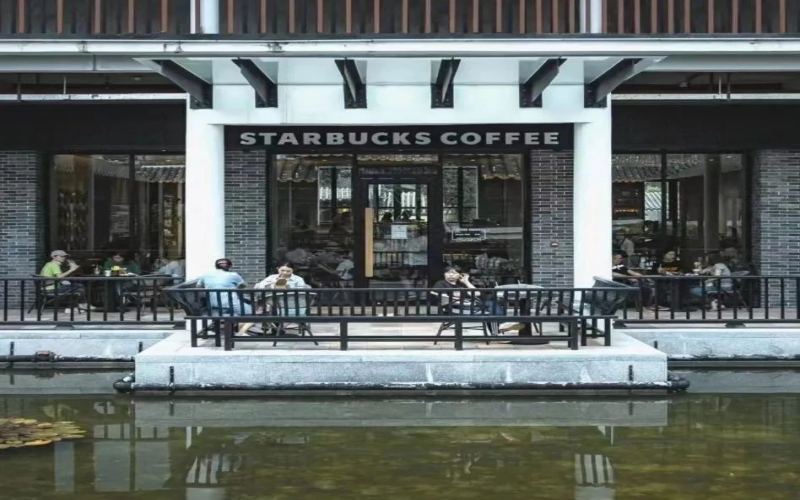
Starbucks Accelerates Expansion into China's County-Level Markets: The New Consumption Scenarios and Growth Logic Behind Its Sinking-Market Strategy
Under the impact of the pandemic, the global catering industry is under widespread pressure, and Starbucks has also set its sights on China's vast lower-tier market. From slowing the pace of store openings in the United States and increasing its bet on China, to putting forward the vision of covering more than 300 cities by 2025 and opening a new store on average every nine hours, Starbucks is treating county-level markets as an important breakthrough. The consumption periods and customer group structure of county-town stores are completely different from those in first- and second-tier cities. Instead, breakfast, afternoon tea, and the period after dinner form peak hours, and social and scene-based needs far exceed the simple need for caffeine. Combining frontline observations with the views of Liu Wenjuan, chief operating officer of Starbucks China, this article analyzes why county-level markets have become an important way out for Starbucks. [more…]
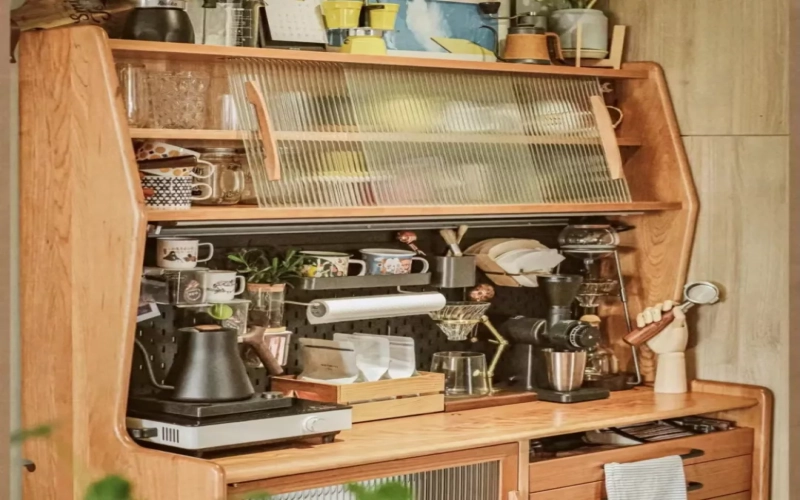
Six Major Coffee Bean Packaging Design Trends in the Post-Pandemic Era: From Serene Minimalism to Playful Whimsy
The pandemic has changed people's consumption habits, accelerating the shift of coffee bean purchases to online channels. In an increasingly competitive e-commerce environment, packaging design has become an important bargaining chip for coffee brands to stand out. Designers from 99designs by Vista, a global forum for freelance creators, discussed coffee bean packaging styles for 2022 and predicted six design directions that could dominate the market this year: serene style, text-solo style, laser style, eco-friendly style, collage style, and playful style. These styles respectively respond to consumers' current demands for inner peace, intuitive information, visual impact, sustainable development, and a relaxed atmosphere, providing valuable references for coffee brands' packaging decisions. [more…]
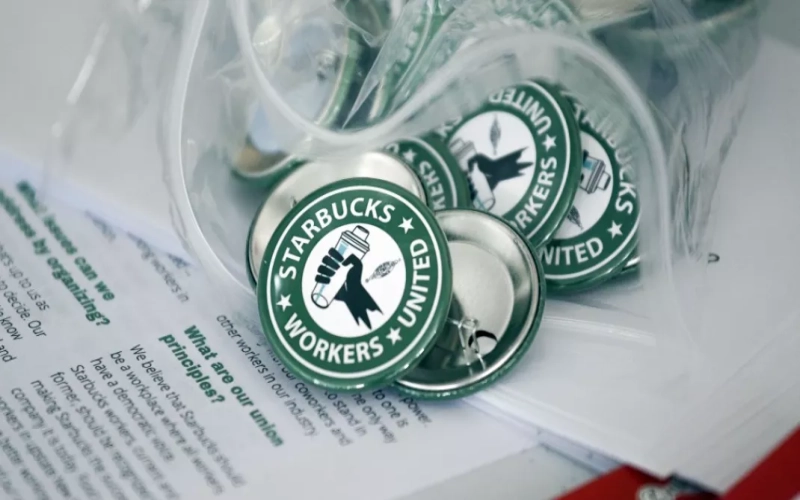
Why Are Starbucks Employees Forming Unions Everywhere? Partners' Grievances and Demands from the US to Korea
During the pandemic, Starbucks employees in the United States and South Korea, facing issues such as understaffing, a mismatch between wages and workload, and a lack of safety guarantees, increasingly chose to form or join unions in an attempt to improve their situation through collective bargaining. From the birth of the first union in Buffalo, New York, to responses from employees in Chicago and South Korea, the discontent among Starbucks partners continued to simmer. Although the company remained indifferent and was even accused of failing to provide adequate pandemic support, employees continued to seek channels to make their voices heard. This article will sort out the ins and outs of the Starbucks employee union movement, as well as the wage, treatment, and working environment issues reflected behind it. [more…]
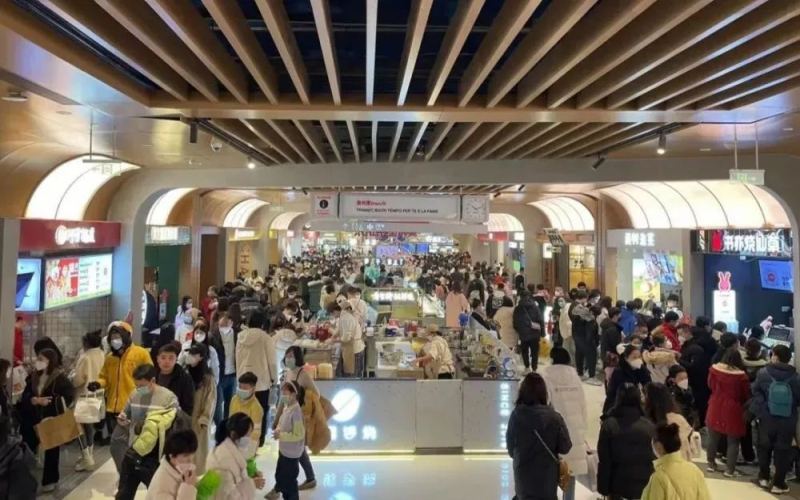
One-Month Observation of Pandemic Restrictions Easing: Coffee and Milk Tea Shops See Long Queues Again, Catering Consumption Shows Clear Recovery Momentum
During the first New Year's mini-holiday after the adjustment of pandemic control policies, people who had recovered from COVID-19 began traveling in large numbers, rapidly heating up the food and beverage consumption market. Long queues reappeared outside milk tea and coffee shops, with some stores seeing orders surge, and even scenes of ordering systems showing queues of over a hundred cups. From Auntea Jenny to Naixue Tea, sales data from multiple brands rebounded significantly, and foot traffic in many commercial districts recovered to 60 to 80 percent of the same period in previous years. Although the pace of recovery remains uneven, the city's lively atmosphere is gradually returning, and the industry is full of expectations for a comprehensive rebound in spring. [more…]
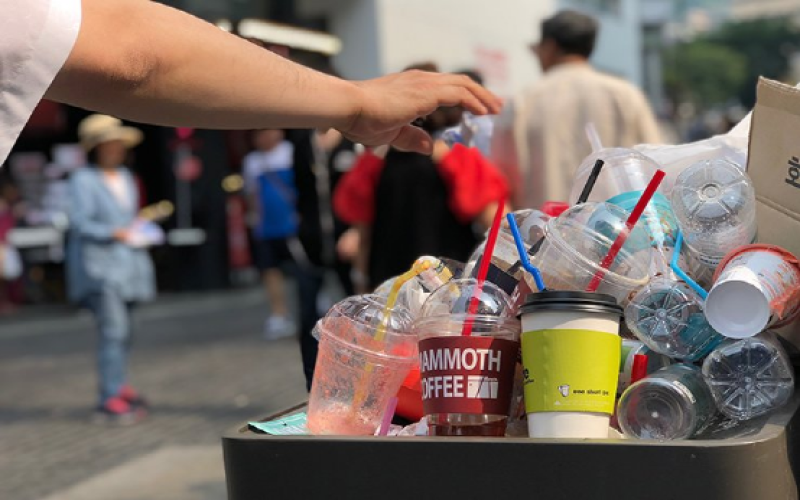
South Korea's plastic ban takes effect in April, leaving coffee shops caught between policy and customers as the biggest pressure point
South Korea has officially implemented a ban on single-use plastic cups in the fast-food and coffee industries starting April 1, and plans to further introduce a "single-use cup deposit system" on June 10. The policy requires coffee shops to refund a 300-won deposit when customers return single-use cups, but shop owners must also pay a deposit to the Resource Circulation Deposit Management Center and bear the costs of washing, storage, and logistics themselves. Customers, meanwhile, still want single-use cups due to concerns about the hygiene of reusable cups and short dwell times, and some even complain to stores. Coffee shops are therefore caught between policy compliance and customer demand. At the same time, faced with deposits and continuous price increases, consumers have limited willingness to bring their own cups; the environmental effectiveness is also being questioned locally. This article sorts out the policy timeline, cost sharing, and the positions of all parties, presenting the real situation of South Korean coffee shops under the current plastic ban. [more…]